Analytics on this site. With your OK we use Google Analytics to see which pages help people and to count enquiries. We never send names, email addresses, phone numbers or anything you type into a form. Privacy policy
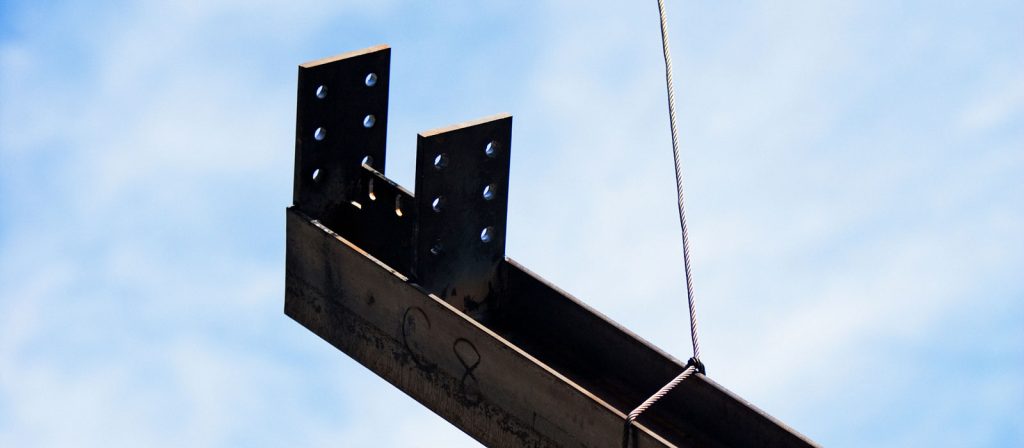
Steel connections bring structural elements together. MAH Steel produces connection plates and fabricated details for beams, columns and frames, using project drawings and agreed specifications.
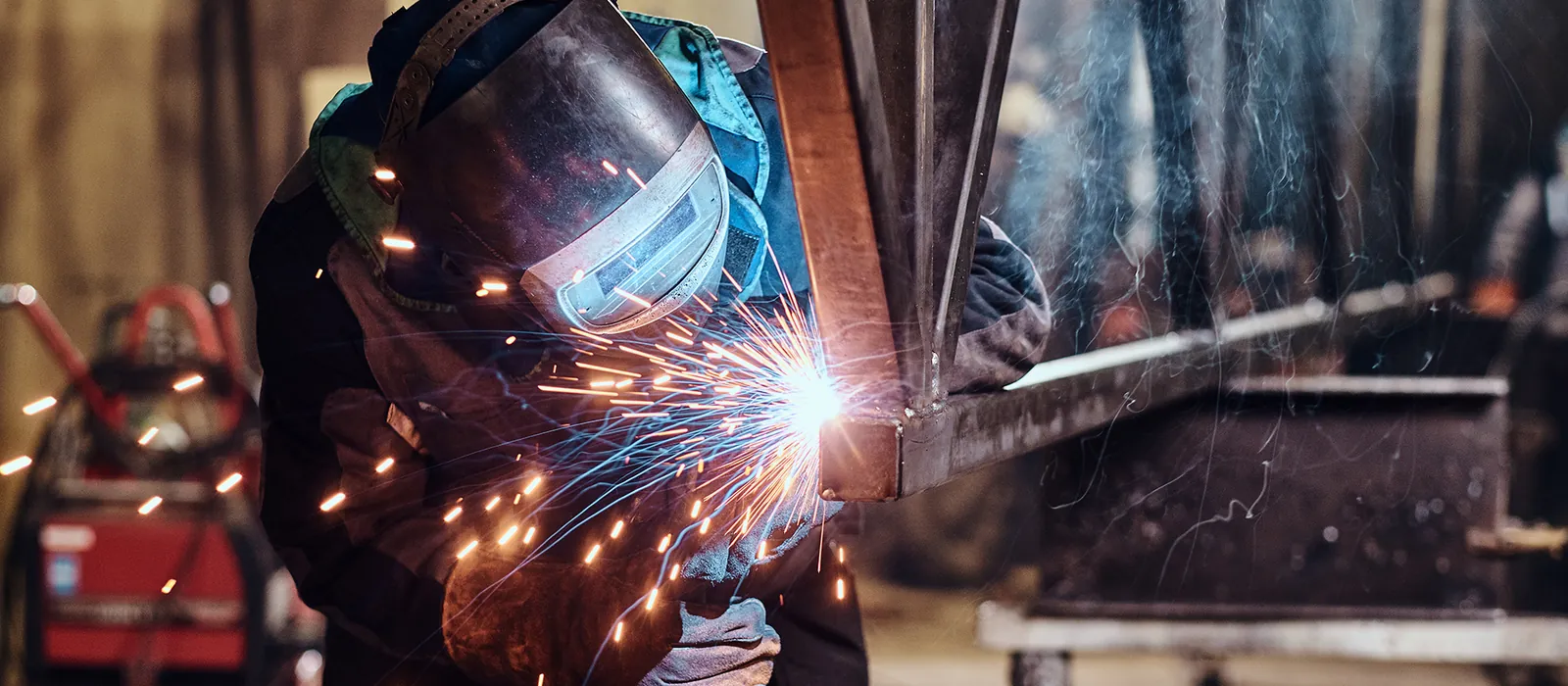
The important details are considered before fabrication: bolt positions, weld requirements, member geometry and the installation sequence. The approved structural information governs every connection.
More about our steel connections
MAH Steel provides UKCA-certified structural steel connections, precision-engineered for both simple and moment connection requirements. From splice plates and stiffeners to complex beam-to-column assemblies, we translate structural engineer drawings into CNC-fabricated components at our fabrication facility.
All connections are manufactured to BS EN 1090 standards, ensuring full compliance with UK structural steel regulations and site-ready installation across commercial and residential projects.
Drawings and connection details
Cutting, drilling and plates
Coordinated workshop fabrication
Delivery and site assembly planning
Eight connection details. One fabrication partner.
MAH Steel’s own illustrations and descriptions of the eight connection details, in the order they appear on our existing Connections page.
Back to back parallel flange / spacer beam
In projects such as loft conversions or roofs it is preferable to replace a deep beam with two smaller beams. To ensure stability to buckling, these beams are bolted together and this is where a spacer beam is used.
A cranked beam is an angled beam with two kinks, which makes a 90-degree angle. Main function of this beam is to support roof structures due to their shape. Added to this, full penetration welds are used for these connections to carry the load.
This structure is generally attached to the flitch beam. The main reason why these plates are needed is to connect to timber joists at a point where shear and bending occurs.
Splices are used when a beam is too heavy or too long to install or transport safely. The flange plates need to be at least the same thickness as the beam's flange, and the same rule applies to the web plates.
Bottom plate is attached to a beam and its role is to support timber joists or brickwork. This connection is welded to one side of the beam in order to effectively support brickwork.
Correct fabrication is only part of the job. Drawing approval, bolt and plate details, access and lifting constraints need to be considered before steelwork arrives.
Survey
Establish site geometry and access when a survey is needed.
Drawings
Agree connection type, dimensions, and approval responsibilities.
Fabrication
Cut, drill and weld to the approved structural information.
Erection
Coordinate handling, lifting and assembly in sequence.
Connections in real steelwork.
Genuine MAH projects showing how fabricated steel frames and their connection details fit into the wider build.
Engineering, CNC fabrication, structural integration and project support, as set out on our existing Connections page.
01Engineered for accuracy & performance
Our qualified engineers design every steel connection to suit project-specific load paths, geometry, and structural requirements. We produce a wide range of connection types for beams, columns, bracing systems, and structural frames.
Whether you supply your own design drawings or require full in-house engineering support, we ensure each connection is accurately detailed and fully buildable.
02CNC fabrication & in-house production
Using advanced CNC machinery, we manufacture steel connections with high precision and repeatability. This allows us to produce both large batch runs and bespoke one-off components efficiently, without compromising quality.
Our in-house workflow ensures tight control over tolerances, weld preparation, and dimensional accuracy across all fabricated elements.
03Complete structural integration
Well-designed connections improve installation speed, structural integrity, and on-site efficiency. Our team works to ensure every connection integrates seamlessly with the wider steel frame, reducing delays and installation issues on site.
All components are CE and UKCA marked, meeting required quality and performance standards.
04Full project support
We support projects of all sizes, from residential extensions through to multi-storey commercial developments. Alongside connections, we also supply steel sections, structural elements, and finish options to provide a complete fabrication solution.
Every project receives the same level of technical detail and service, regardless of scale.
05What are steel connections in structural engineering?
Steel connections are engineered components used to join beams, columns, and structural members together. They are designed to transfer loads safely between elements and ensure overall frame stability. Common types include bolted connections, welded plates, splice joints, and moment connections, all designed in accordance with BS EN 1090 structural steel standards.
Have connection drawings to quote?
Send your drawings, steel specifications and project details. We’ll review the fabrication requirements.