
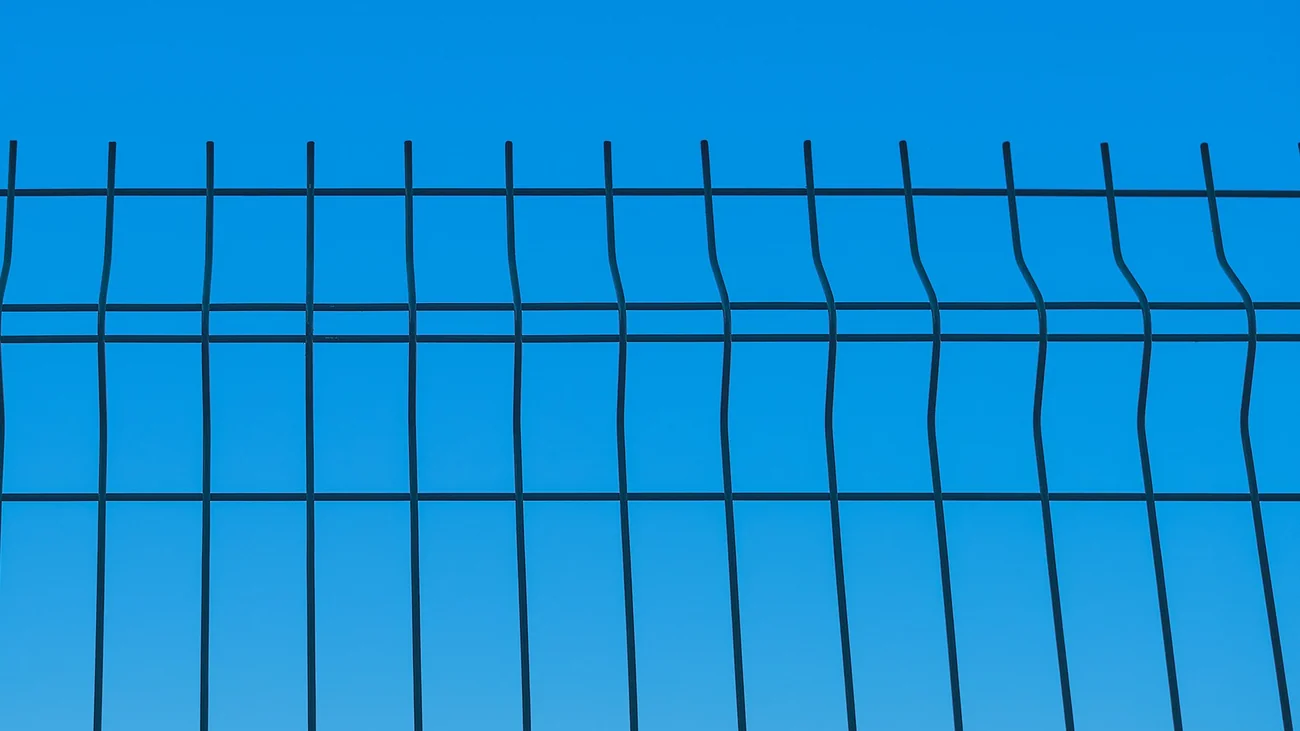
Welded mesh panel fencing
Welded wire and mesh-style fencing is one option for defining larger boundaries while maintaining visibility through the panels.
Mesh aperture, height, posts and fixing method depend on the specification.

Made-to-measure steel fencing and gates for commercial, industrial and residential boundaries. Fabricated to suit the site, the specification and the finish you need.
A fencing package needs to do more than mark a line. Boundary length, ground levels, access points, post foundations, infill spacing and exposure all affect the finished result.
MAH Steel fabricates bespoke steel fences, posts and gates, coordinating dimensions, appearance and fixing details with the agreed project requirements. Whether the priority is secure access or a clean architectural boundary, the design starts with how the site will be used.
In our experience, timber and lightweight decorative fencing often fails where security and longevity matter most. That’s why we fabricate steel fencing systems built for long-term durability, structural strength, and site security – manufactured to your supplied drawings and specification.
At MAH Steel, we design and fabricate steel fencing and gates that are used on residential, commercial, and industrial sites where protection isn’t optional. This is not just about appearance – it’s about controlled access, impact resistance, and long service life.
From industrial site boundaries to bespoke residential railings and gates, different uses call for different infills, access arrangements and finishes.
Welded wire and mesh-style fencing is one option for defining larger boundaries while maintaining visibility through the panels.
Mesh aperture, height, posts and fixing method depend on the specification.

Vertical-bar and other security-oriented systems can help manage access around yards, premises and sensitive boundaries.
Required security performance and applicable standards must be specified for the site.
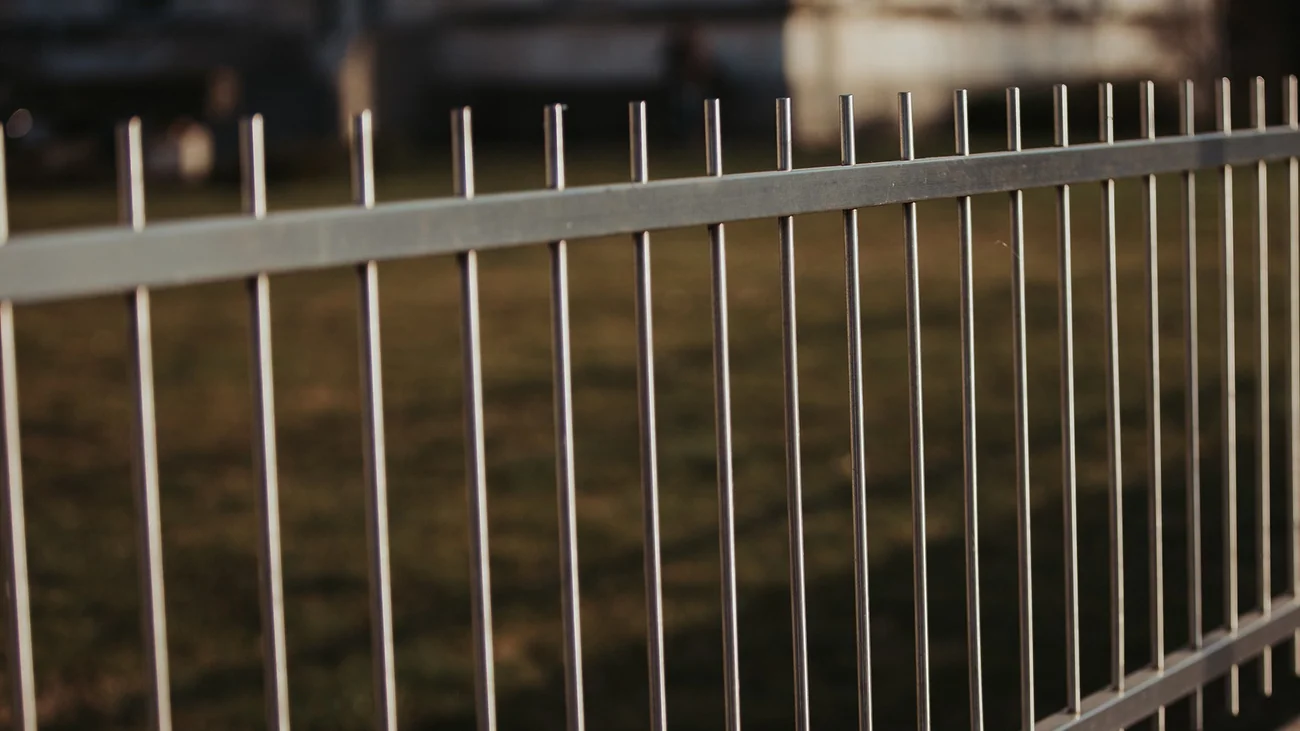
Bespoke steel railings and panel runs for external boundaries where structural stability and a consistent architectural appearance both matter.
Ground conditions, posts, levels and chosen finish shape the detail.
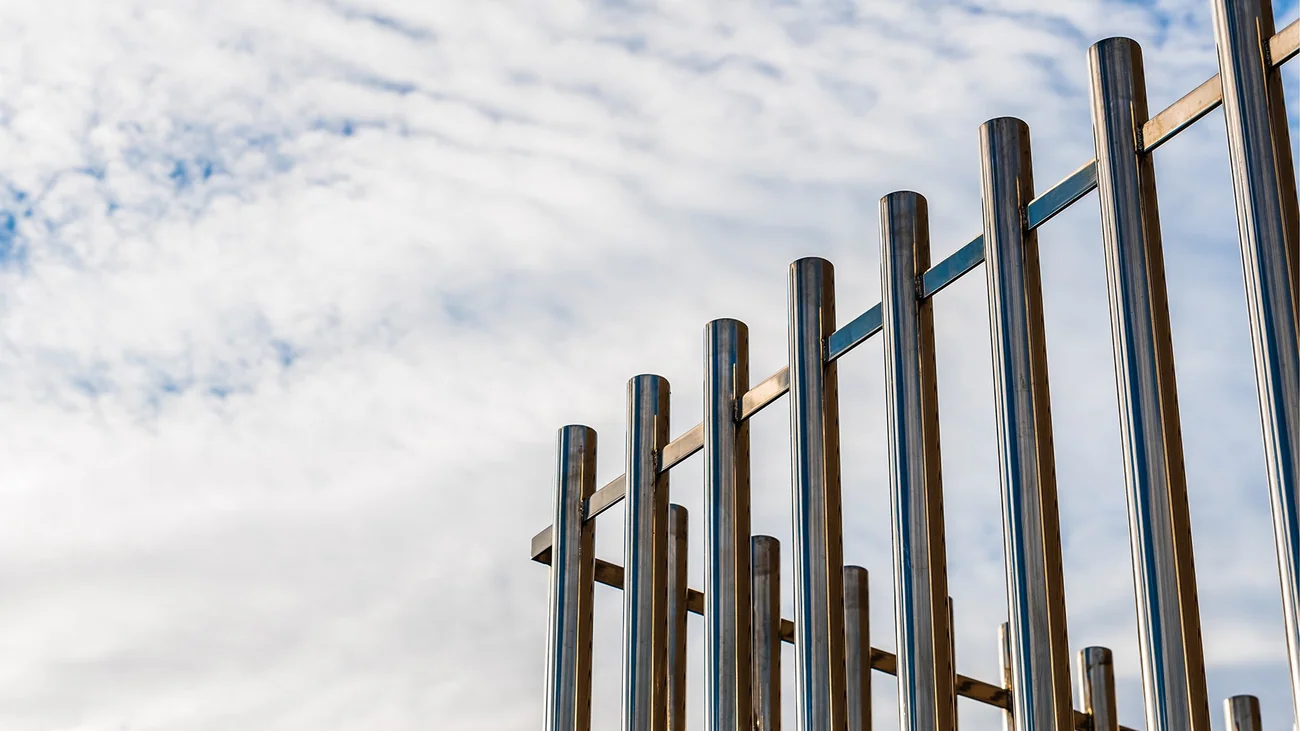
Steel can be fabricated into distinctive rails, infills, entrance frames and matching gate details to complement the wider property.
Gate operation, access clearances and coatings need confirming before fabrication.
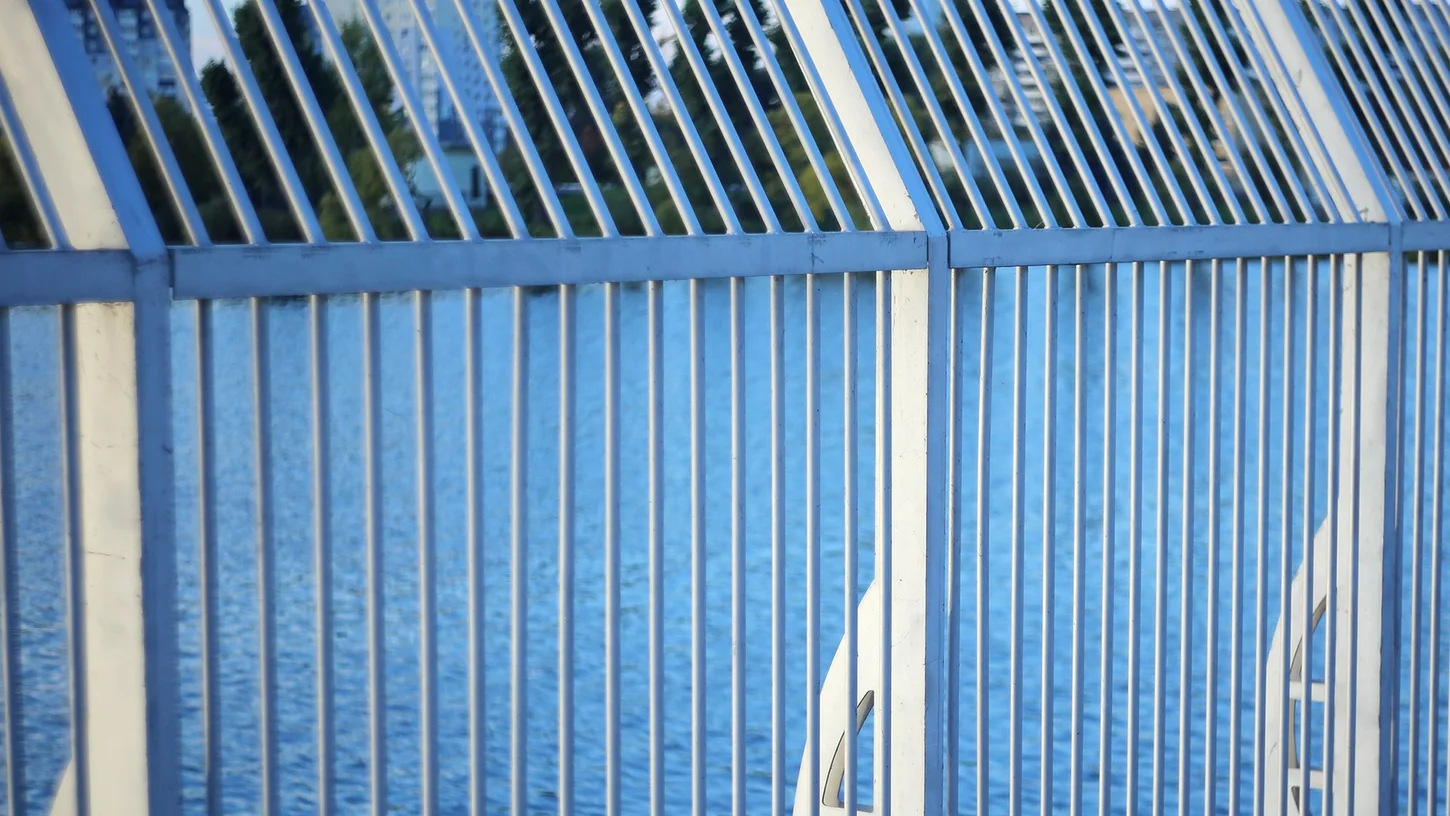
Good fencing starts with the relationship between the panel, posts, gate openings and supporting ground. The right section sizes, fixings and coatings are selected against the agreed design and intended use, not guessed from a photograph.
Accurate survey information, boundary conditions and the required level of access control should be agreed before steelwork is prepared.
Fence runs, changes in level, existing walls, corners, post positions and available access.
Support conditions, post embedment or baseplate fixings agreed for the project and ground conditions.
Where a particular standard or security requirement applies, we manufacture to your supplied drawings and specification. Agree the design details and performance criteria with your designer.
External exposure, galvanising or coating, gate clearances, delivery and site installation arrangements.
We manufacture fencing to the drawings and specifications supplied. The applicable specification, structural adequacy, boundary permissions and installation scope should be confirmed for each project.
Five MAH services that support a bespoke fencing or gate package. The precise scope is agreed for each project.
 Structural fabricationPosts, rails, panels and gate frames fabricated to the agreed drawings.
 Steel drillingPrepared holes and connection details to suit the selected fixings and assembly method.
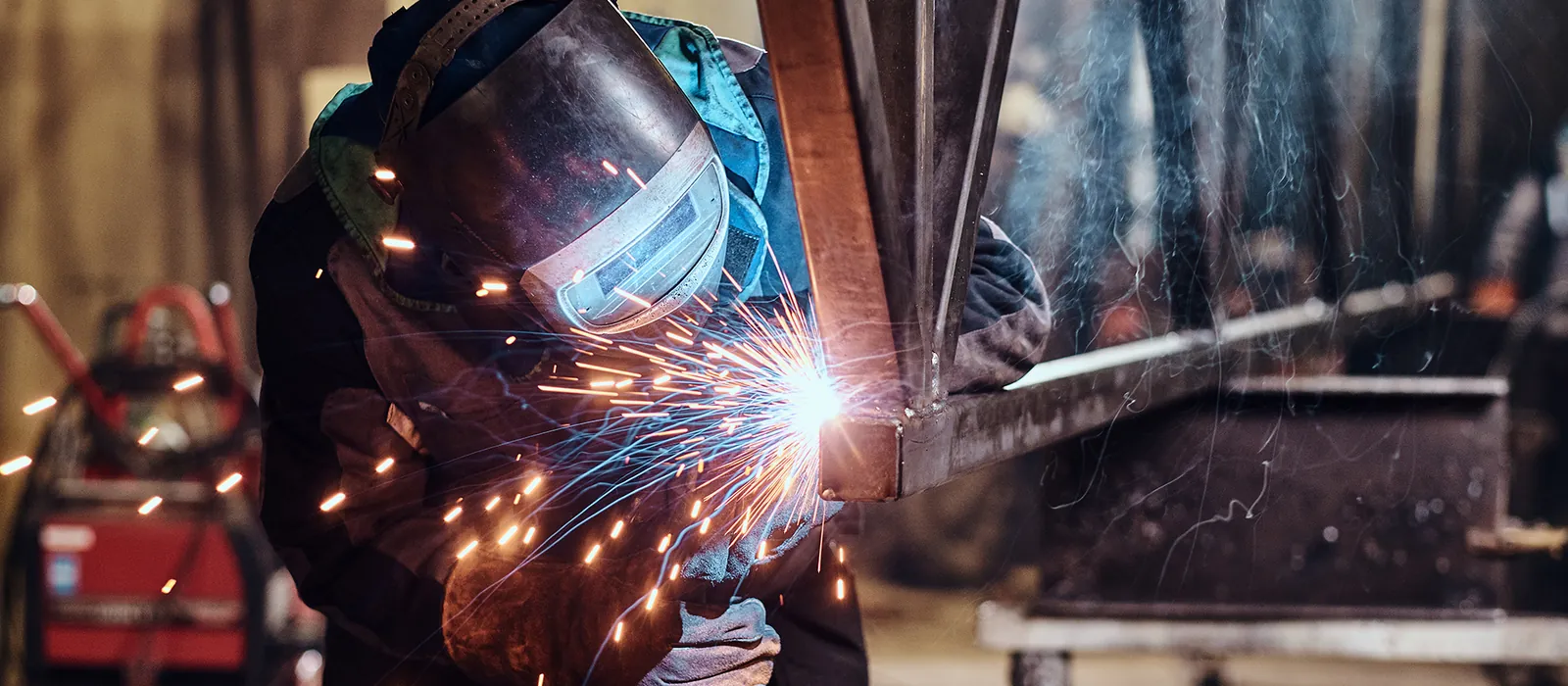 Steel weldingWelded frames, rails, plates and details prepared in the workshop.
 HIAB steel deliveryLorry-crane delivery and handling options for fabricated fencing components.
 Site surveysMeasurements, levels and access information to establish the installation requirements.
A directly relevant fencing-support fabrication project, alongside two published examples of related bespoke railings and architectural metalwork.
MAH cut and drilled 128 UC support posts, organised galvanising and…
MAH fabricated and installed powder-coated steel balustrades and…
Measured, fabricated and installed bespoke steel railings for an…
Published MAH articles covering steel gates, material choices and entrance planning.
When it comes to enhancing the security and aesthetic appeal of your…
Steel gates, beyond their functional role, offer a combination of…
Steel driveway gates not only add a touch of elegance and security to…
Design, survey, fabrication and installation, as set out on our existing fencing page.
No two sites are the same, so every system is made to measure. Our steel fabricators create fencing and gate solutions tailored to your perimeter layout, ground levels, and security requirements.
We also design for visual integration, ensuring fencing complements existing buildings and boundary lines rather than looking like an afterthought.
Our process starts with an on-site survey to capture accurate measurements, access points, and fixing requirements. This information is then used to produce a detailed design, aligned with both your requirements and installation conditions.
We work closely with clients throughout this stage so the final specification is clear before fabrication begins.
Once approved, our steel fabricators produce your fencing system using high-grade materials suited to external exposure and long-term use.
All components – including posts, rails, infills, and gate frames – are fabricated for strength and alignment. Welds are finished cleanly for structural reliability and durability in exposed environments.
After fabrication and quality checks, we deliver directly to site. Installation can be carried out by our trusted fitting teams to ensure correct alignment, fixing, and structural performance.
Learn more about our steel fencing systems and how they are designed, supplied, and installed. This section answers common questions about applications, security levels, installation methods, and maintenance, helping you understand the benefits and suitability of steel fencing for commercial and industrial sites.
Steel fencing is commonly used around construction sites, industrial yards, warehouses, and commercial properties. It helps secure perimeters, control access, and separate working areas from public or restricted zones.
Steel fencing can include mesh panel systems, welded steel barriers, security fencing, and custom fabricated perimeter solutions. The type used depends on the level of security required and the specific conditions of the site.
Steel fencing is typically installed by setting posts into concrete foundations or fixing them to existing structures, followed by securing panels or sections between them. Installation methods vary depending on ground conditions, access, and the required level of security or durability.
Send your location, dimensions, drawings or photographs, intended use and any preferred finish. We’ll review the requirements.
WHY MAH STEEL?
 6,355+
 3-4
 2,500+
 20,000+
 75
 98%
Tell us what you need. We’ll only ask questions that are useful for your project.
We use the details you give us to reply to your enquiry and to prepare your quote. Read our privacy policy.


